Visit Our Main Website For A Quote

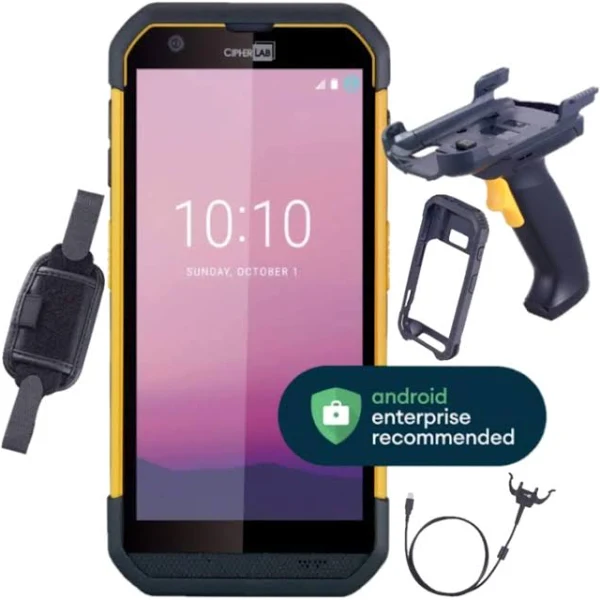

An NFC reader is a device that can read and sometimes write data stored on NFC (Near Field Communication) tags or transmitted by other NFC-enabled devices. Think of it as the tool that allows you to interact with NFC technology.
Here’s a breakdown:
What does it do?
An NFC reader uses radio waves to communicate with NFC tags or other NFC devices over a very short distance (usually a few centimeters). It can:
- Read data: Retrieve information stored on an NFC tag, such as a website URL, contact details, or product information.
- Write data: In some cases, it can also write new information to an NFC tag.
- Communicate with other NFC devices: Exchange data with other NFC-enabled devices, like smartphones, for tasks such as contactless payments or file sharing.
Where are they found?
NFC readers are integrated into a variety of devices:
- Smartphones: Most modern smartphones have built-in NFC readers.
- Tablets: Many tablets also include NFC functionality.
- Dedicated NFC readers: These are standalone devices used for specific applications, such as access control or point-of-sale systems.
- Point-of-sale terminals: NFC readers are commonly integrated into payment terminals for contactless payments.
- Other devices: Some laptops, wearables, and other electronic devices also include NFC readers.
How do they work?
NFC readers emit a radio frequency field. When an NFC tag or another NFC device comes close to the reader, this field induces a current in the tag or device, allowing it to communicate with the reader and exchange data.
What are they used for?
NFC readers enable a wide range of applications:
- Contactless payments: Reading payment information from NFC-enabled cards or smartphones.
- Data sharing: Exchanging files, contact details, or other information between devices.
- Access control: Reading NFC tags or cards to grant access to buildings or restricted areas.
- Information sharing: Retrieving information from NFC tags embedded in posters, products, or other objects.
- Device pairing: Quickly and easily pairing Bluetooth devices by tapping them together.
Key considerations when choosing an NFC reader:
- Compatibility: Ensure the reader is compatible with the types of NFC tags or devices you want to interact with.
- Connectivity: Consider how the reader will connect to your system (e.g., USB, Bluetooth, Ethernet).
- Range: While NFC has a short range, the specific read range can vary between readers.
- Features: Some readers offer additional features, such as the ability to write data to NFC tags or support for specific NFC protocols.
- Application: The best reader will depend on your specific use case. For example, a retail point-of-sale system will have different requirements than an access control system.
NFC readers are a crucial part of the NFC ecosystem, enabling a wide range of contactless and convenient interactions.