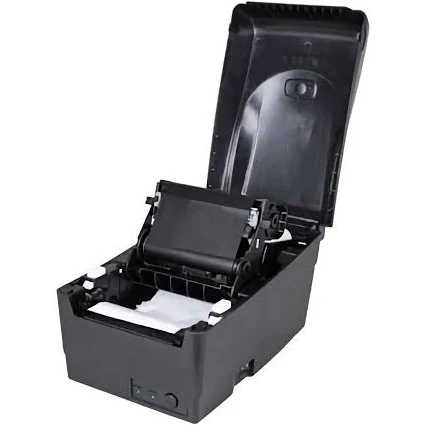
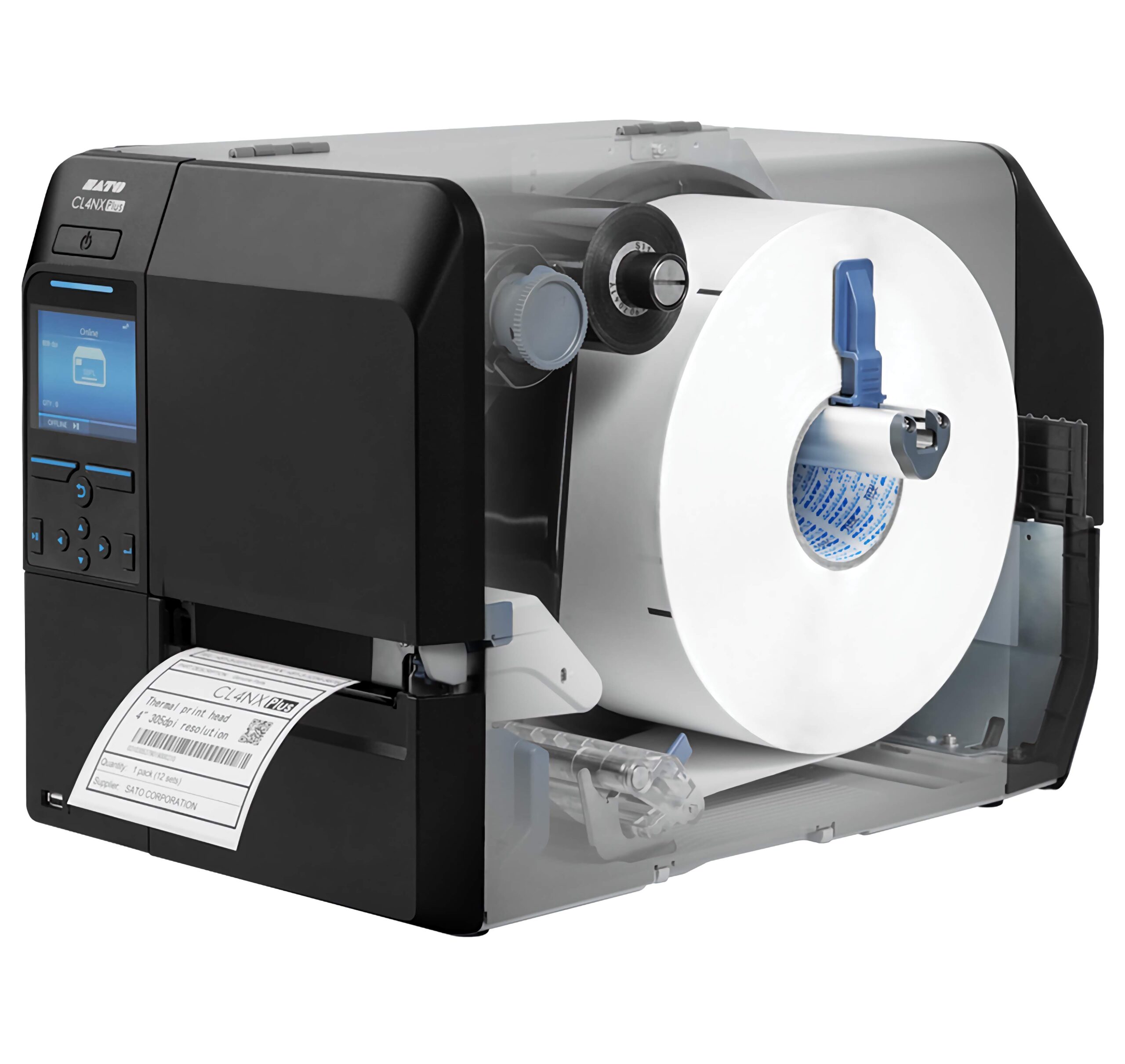

Thermal transfer barcode printers are a type of printer that uses heat to transfer ink from a ribbon onto a label or tag. This creates a durable, long-lasting print that is resistant to smudging and fading. Thermal transfer printers are ideal for a variety of applications, including:
Visit Our Main Website For A Quote
1. Product Labeling:
- Manufacturing: Durable labels for product identification, batch numbers, serial numbers, and compliance information.
- Retail: Price tags, product information, and promotional labels. Food and Beverage: Labels for ingredients, nutritional information, and branding.
2. Asset Tracking:
- Logistics: Labels for tracking inventory, pallets, and containers throughout the supply chain.
- Healthcare: Labels for medical equipment, patient files, and specimens.
- Manufacturing: Labels for tools, equipment, and work-in-progress items.
3. Shipping and Receiving:
- Courier Services: Labels for packages, envelopes, and shipping documents.
- Warehousing: Labels for identifying storage locations and organizing inventory.
4. Healthcare:
- Patient Identification: Wristbands and labels for patient tracking and medication administration.
- Specimen Labeling: Labels for blood samples, lab tests, and other medical specimens.
- Pharmacy: Labels for prescriptions and medication bottles.
5. Manufacturing:
- Parts and Components: Labels for identifying parts, components, and sub-assemblies.
- Work-in-Progress: Labels for tracking items through the production process.
- Quality Control: Labels for marking products that have passed inspection.
6. Other Industries:
- Transportation: Labels for baggage tags, tickets, and boarding passes.
- Government: Labels for asset tracking, document management, and identification cards.
- Automotive: Labels for parts identification, vehicle tracking, and warranty information.
How they work:
- Heat Transfer: Thermal transfer printers use a heated printhead to melt ink from a ribbon onto a label material. This process creates a high-quality image that’s resistant to smudging, fading, and abrasion.
- Ribbon Required: Unlike direct thermal printers, thermal transfer printers require a ribbon, which is an additional supply you’ll need to purchase.
Advantages of thermal transfer printers:
- Long-lasting prints: Thermal transfer printers use a ribbon to transfer ink onto the label, creating a print that is highly resistant to smudging, fading, scratching, and even some chemicals. This makes them ideal for labels that need to withstand harsh environments or last for an extended period.
- Variety of materials: You can use a wider range of label materials with thermal transfer printers, including paper, synthetic materials (like plastic), and even fabric. This versatility allows you to choose the best material for your specific needs and environment..
- Sharp, clear images: Thermal transfer printers produce crisp, high-resolution barcodes and text, ensuring readability and scannability. This is crucial for accurate tracking and identification
- Long-lasting printhead: Printheads in thermal transfer printers tend to have a longer lifespan compared to direct thermal printers.
- Consistent print quality: The printing process ensures consistent image density and color, resulting in reliable and professional-looking labels.
Things to consider when choosing a thermal transfer printer:
- Print resolution: Measured in dots per inch (DPI), higher DPI means sharper images. Consider your needs for text and barcode clarity.
- Print speed: Measured in inches per second (IPS), this determines how quickly labels are printed.
- Label size and type: Make sure the printer can accommodate the size and type of labels you need.
- Connectivity: Choose a printer with connectivity options that suit your setup (USB, Ethernet, wireless).
- Duty cycle: Consider the volume of labels you’ll be printing to ensure the printer can handle the workload.
- Cost: Thermal transfer printers generally have a higher upfront cost than direct thermal printers, but the long-term cost can be lower due to the durability of the prints and longer printhead life.
What Makes the Labels Last?
- Ink Type: Thermal transfer printers use ribbons with different ink types (wax, resin, or a combination) that are designed for durability.
- Specialized Inks: Thermal transfer ribbons use inks specifically designed for durability. These inks can be wax-based, resin-based, or a combination of both. Resin-based inks, in particular, are known for their resistance to chemicals, extreme temperatures, and abrasion.
- Heat and Ribbon: Thermal transfer printing uses a heated printhead to melt ink from a ribbon onto the label material. This process creates a strong bond between the ink and the label, making it more resistant to smudging, fading, and scratches compared to other printing methods.
- Here’s a simple analogy: Imagine you’re writing on a piece of paper. If you use a regular pen, the ink might smudge or fade over time. But if you use a permanent marker on a durable plastic sheet, the writing will last much longer. Thermal transfer printing is like using that permanent marker on a durable material.