


Visit Our Main Website For A Quote
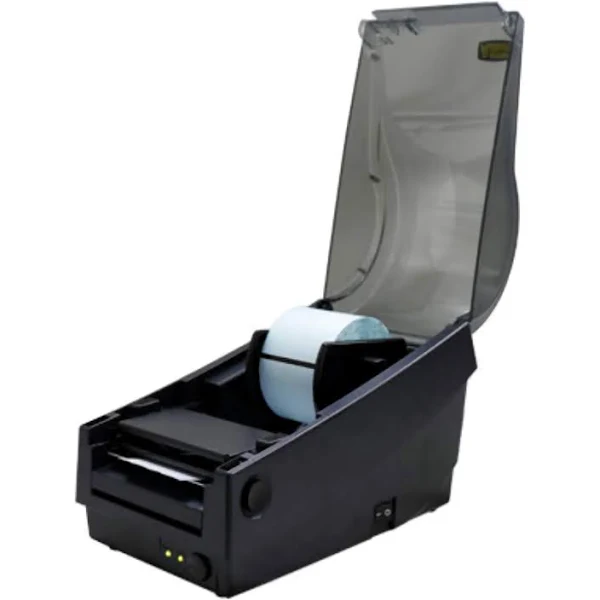
Direct thermal printers are a type of printer that produces images by applying heat to a specially coated, heat-sensitive material. This process causes the material to darken, creating the desired image.
How they work:
- Heat-sensitive media: Direct thermal printers use a special type of paper or label material that is coated with a chemical that turns black when exposed to heat.
- Direct heat application: The printhead in the printer applies heat directly to the coated material, creating the image without the need for ink, toner, or ribbons.
Advantages of direct thermal printers:
- Simplicity: Direct thermal printers are simple to operate and maintain, as they don’t require ink, toner, or ribbons.
- Cost-effective: The initial cost of direct thermal printers is typically lower than other types of printers.
- Compact and portable: Direct thermal printers are often compact and portable, making them ideal for mobile applications.
Limitations of direct thermal printers:
- Limited media options: They can only use heat-sensitive materials, which may limit your options for label types and colors.
- Sensitivity to heat and light: The printed images can fade or darken if exposed to excessive heat, sunlight, or other harsh environmental conditions.
- Shorter lifespan: Direct thermal prints are generally not as durable as thermal transfer prints and may fade over time.
Common applications for direct thermal printers:
- Receipt printing: Direct thermal printers are widely used for printing receipts in retail, restaurants, and other businesses.
- Shipping labels: They are often used for printing shipping labels for packages and envelopes.
- Tickets and tags: Direct thermal printers can be used to print tickets for events, parking passes, and other types of tags.
- Short-term labeling: They are suitable for applications where labels don’t need to last for an extended period, such as labels for perishable goods or temporary identification.
Key considerations when choosing a direct thermal printer:
- Print quality: Consider the resolution and print speed of the printer to ensure it meets your needs.
- Label size and type: Make sure the printer can accommodate the size and type of labels you need.
- Connectivity: Choose a printer with connectivity options that suit your setup (USB, Bluetooth, wireless).
- Durability: If your labels will be exposed to any harsh conditions, direct thermal may not be the best choice.
Direct thermal printers are a good option for businesses that need a simple, cost-effective, and portable printing solution for short-term labeling applications. However, if you need durable, long-lasting labels, thermal transfer printers are a better choice.